
021 434 1030
Eye Conditions

Age-related Macular Degeneration

AMD
AMD

Understanding AMD

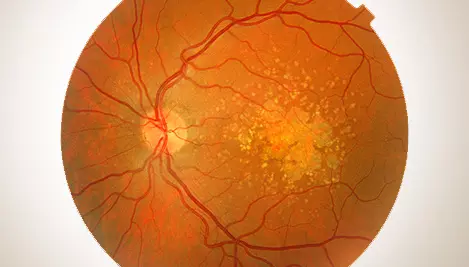
Age-related macular degeneration (AMD) is a common eye condition that can affect one or both eyes and is a leading cause of reduced vision. It involves the deterioration of the macula, which is the small central area of the retina responsible for sharp, detailed, and straight-ahead vision.

Because AMD does not typically affect peripheral (side) vision, it rarely leads to total or "black" blindness, but it can significantly impair your ability to perform daily tasks.

The Two Types of AMD

All cases of macular degeneration begin as the dry form, but the disease can progress into the wet form over time.

Dry AMD: This is the most common classification, accounting for approximately 80% to 90% of all cases. It occurs when the light-sensitive cells in the macula gradually break down and thin out as you age. In its most advanced stage, known as geographic atrophy (GA), patients can experience severe central vision loss.

Wet AMD: This is a less common but more aggressive and advanced form of the disease. It develops when abnormal, fragile blood vessels grow underneath the macula. These new vessels can leak blood and fluid or cause scarring, which leads to rapid and severe central vision loss.

During the early and intermediate stages, AMD often presents with minimal or no noticeable symptoms. As the condition progresses, you may begin to experience:

  • Visual distortions, where straight lines suddenly appear wavy or bent.
  • A dark patch, blind spot, or empty space appearing in the center of your vision.
  • Increasing difficulty reading, distinguishing faces, or performing detailed tasks.
  • Decreased intensity or brightness of colors, alongside difficulty seeing clearly in low lighting.

While getting older is the single biggest risk factor—with risk escalating after age 50—genetics and lifestyle also play major roles in the development of AMD. Making healthy lifestyle changes can help lower your risk or slow the progression of the disease:

  • Quit Smoking: Smoking poses a significant risk for accelerating AMD.
  • Eat a Healthy Diet: A Mediterranean diet or a diet rich in green leafy vegetables (like spinach and kale) provides essential lutein, while oily fish provides protective omega-3 fatty acids.
  • Stay Active: Exercise regularly, maintain a healthy weight, and manage cardiovascular risk factors like high blood pressure and elevated cholesterol.
  • Protect Your Eyes: Reduce your exposure to ultraviolet light by consistently wearing sunglasses outdoors.
  • Vitamins and Supplements: Certain high-dose nutritional formulations, such as the AREDS2 supplement, can help reduce the risk of intermediate dry AMD progressing to later stages.

Regular comprehensive eye exams are crucial, as early detection is the only way to save your sight. We utilize advanced diagnostics, including Optical Coherence Tomography (OCT), which provides magnified 3D images of your retina to monitor any cellular distortion.

Depending on your specific diagnosis, your treatment path may look different:

While there is no cure, wet AMD can be highly manageable with intravitreal injections of anti-VEGF medications (such as Lucentis, Eylea, or Avastin). These drugs block the specific protein responsible for new blood vessel growth, breaking the cycle of leakage and potentially stabilizing or even improving your vision.

Historically, medical treatments for dry AMD were non-existent, leaving patients to rely solely on dietary changes and vitamin supplements. However, research has advanced significantly. We proudly utilize the Valeda® Light Delivery System, the only DFA authorised photobiomodulation therapy that uses multiple wavelengths of light to stimulate cellular activity, reduce inflammation, and promote healthy cell function in patients with dry AMD.

Loading…
Loading the web debug toolbar…
Attempt #