021 434 1030
Eye Conditions

Cataract

Cataract Visualization

What is a Cataract?

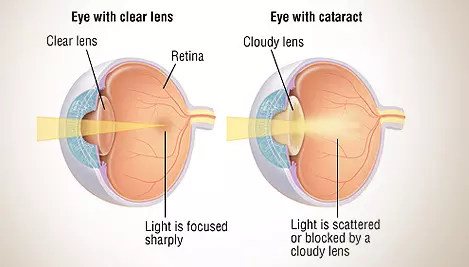
A cataract is a clouding of the normally clear lens of the eye. It can be compared to a window that is frosted or “fogged” with steam.

The lens sits right behind the coloured part of your eye (the iris). Its job is to focus light that passes into the eye, producing clear, sharp images on the retina. When a cataract develops, the lens becomes cloudy, preventing light from passing through clearly, which causes vision to become blurred.

Cataracts develop as part of the ageing process, so everyone is at risk eventually.

By age 75 about 70% of people will have cataracts. With age, our eyes lens slowly becomes less flexible, less transparent and thicker. Then areas of the lens become cloudy as protein in the lens begins to clump together.

  • Painless cloudy, blurry vision
  • Difficulty reading small print
  • More difficulty seeing at night or in low light
  • Sensitivity to light and glare
  • Change in colour perception
  • Frequent changes in eyeglass or contact lens prescription

These factors increase your risk of developing cataracts:

  • Advanced age
  • Diabetes
  • A family history of cataracts
  • Extensive exposure to sunlight
  • Smoking
  • Previous eye injury or inflammation (swelling) in the eye
  • Previous eye surgery
  • Long-term use of steroid medication (especially combined use of oral and inhaled steroids).

There are many types of cataract, the most common are:

Nuclear Cataract - The most common type of cataract is the one that people get as they become older it is called a nuclear cataract because it affects the central core of the lens. This develops quite slowly sometimes taking many years to affect the vision significantly. 

Cortical Cataract – A cortical cataract occurs in the peripheral part of the lens and often looks like the spokes in a bicycle wheel. It takes some time for these ‘spokes’ to grow centrally to affect the vision and doctors often see signs of this cataract before the patient’s vision is affected.

Subcapsular Cataract - A subcapsular cataract occurs at the back of the lens typically afflicting people with diabetes and those on steroid therapy. This causes a fairly rapid deterioration in vision and can progress quite quickly.
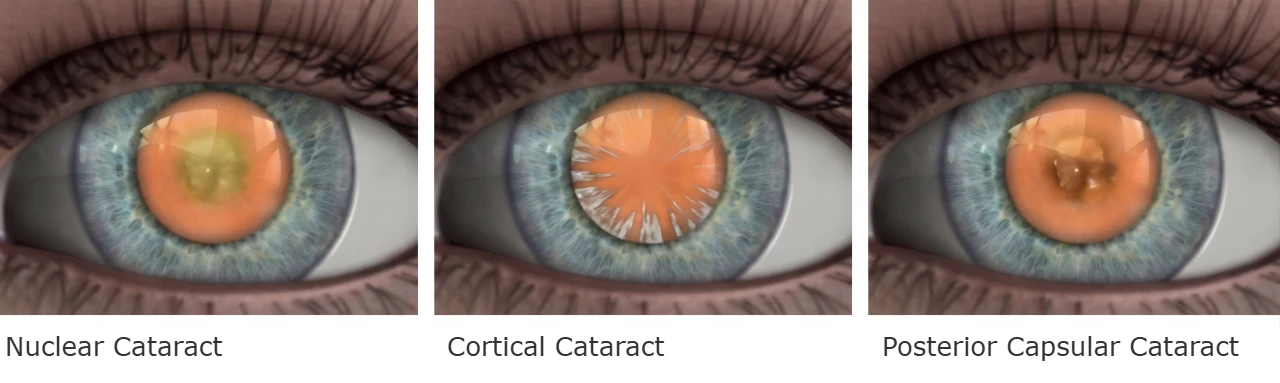

types of cataract

Surgery is offered when the cataract becomes visually significant to the patient and the patient feels that the quality of the vision is impacting on their day to day life. If the cataract is not affecting the patients quality of life, then it will be monitored on a six monthly basis and assessed accordingly by Mr. Golchin.

Vision obscured by cataract

Loading…
Loading the web debug toolbar…
Attempt #