
021 434 1030
Eye Conditions

Glaucoma

Glaucoma Visualization

What is Glaucoma?

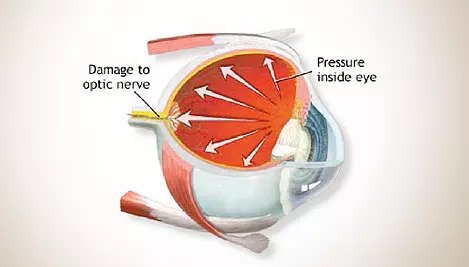
Glaucoma is a group of eye conditions that damage the optic nerve. The optic nerve sends visual information from your eye to the brain. The eye constantly produces fluid which drains through a natural drainage system. When this system doesn't function correctly, pressure can increase and damage the optic nerve. This damage is permanent and can lead to blindness but if detected early further damage can be minimised. Glaucoma can happen at any age but is more common in older adults.  

Glaucoma Visualization

Glaucoma is painless, gradual and people often find it difficult to notice. This is because the brain automatically “fills in” gaps in the visual picture which are caused by Glaucoma. This can prevent people seeing objects or obstacles.

Only about half of the people who have Glaucoma are even aware that they have the condition. When Glaucoma develops, it affects your peripheral vision first. You usually do not have any symptoms and the disease progresses slowly. In this way, Glaucoma can steal your sight very gradually.  Glaucoma one of the leading causes of blindness for people over the age of 60. 

Fortunately, early detection and treatment (with Glaucoma eye drops, Glaucoma surgery or both) can help preserve your vision.
Types of Glaucoma

The main categories of Glaucoma include:

      The most common form of Glaucoma is called primary open angle Glaucoma. It occurs when the trabecular meshwork (drainage system) of the eye gradually becomes less efficient at draining fluid.

      As this happens, your eye pressure, (Intraocular pressure (IOP)), rises. Raised eye pressure leads to damage of the optic nerve. Damage to the optic nerve can occur at different eye pressures among different patients.

      Typically open angle Glaucoma has no symptoms in its early stages and your vision remains normal. As the optic nerve becomes more damaged blank spots begin to appear in your field of vision. You usually will not notice these blank spots in your day to day activities until the optic nerve is significantly damaged and these spots become large. If all the optic nerve fibres die, blindness results.

      Eye pressure is expressed in millimetres of mercury (mm/Hg).

      Although normal eye pressure is considered a measurement less than 21 mm/Hg, this can be misleading. Some people have a type of Glaucoma called normal tension, or low tension Glaucoma. Their eye pressure is consistently below 21 mm/Hg, but optic nerve damage and visual field loss still occur. People with normal tension Glaucoma typically receive the same methods of treatment used for open-angle Glaucoma.

      Conversely, Ocular hypertension is a condition where someone has higher eye pressure than normal, but does not have other signs of Glaucoma, such as optic nerve damage or blank spots that show up in their peripheral (side) vision when tested. Individuals with ocular hypertension are at higher risk for developing Glaucoma later relative to those with lower or average eye pressure. Just like people with Glaucoma people with ocular hypertension need to be closely monitored by an Ophthalmologist to ensure they receive appropriate treatment.

      A less common form of Glaucoma is closed angle. Closed angle Glaucoma occurs when the iris (the coloured part of the eye) partially or completely blocks off the drainage angle of the eye. Unlike open angle Glaucoma, eye pressure usually goes up very fast. People with hyperopia (farsightedness) tend to be more at risk for developing this form of Glaucoma.

      If the drainage angle becomes completely blocked eye pressure rises quickly resulting in a closed angle Glaucoma attack. Symptoms of an attack include:

      • Severe eye or brow pain
      • Redness of the eye
      • Decreased or blurred vision
      • Seeing coloured rainbows or halos
      • Headache
      • Nausea
      • Vomiting

      A closed angle Glaucoma attack is a medical emergency and must be treated immediately.

      Unfortunately, people at risk for developing closed angle Glaucoma often have few or no symptoms before the attack. People at risk for closed angle Glaucoma should avoid over the counter decongestants and other medications where the packaging states not to use these products if you have Glaucoma.

      Secondary Glaucoma is Glaucoma that results from another eye condition or disease. For example, someone who has had an eye injury, someone who is on long term steroid therapy or someone who has a tumour may develop secondary Glaucoma.

      • Age
      • Family history of Glaucoma
      • African or Hispanic ancestry
      • Farsightedness or nearsightedness
      • Elevated eye pressure
      • Past eye injury
      • Having a thinner central cornea (the clear, front part of the eye covering the pupil and coloured iris)
      • Not having eye examinations when they are recommended
      • Conditions that affect blood flow, such as migraines, diabetes and low blood pressure
      Loading…
      Loading the web debug toolbar…
      Attempt #